Why one Porsche is worth the long road
Most great Porsche projects fail on the same three decisions. Here's how to make them well — and why the right project pays you back for years.
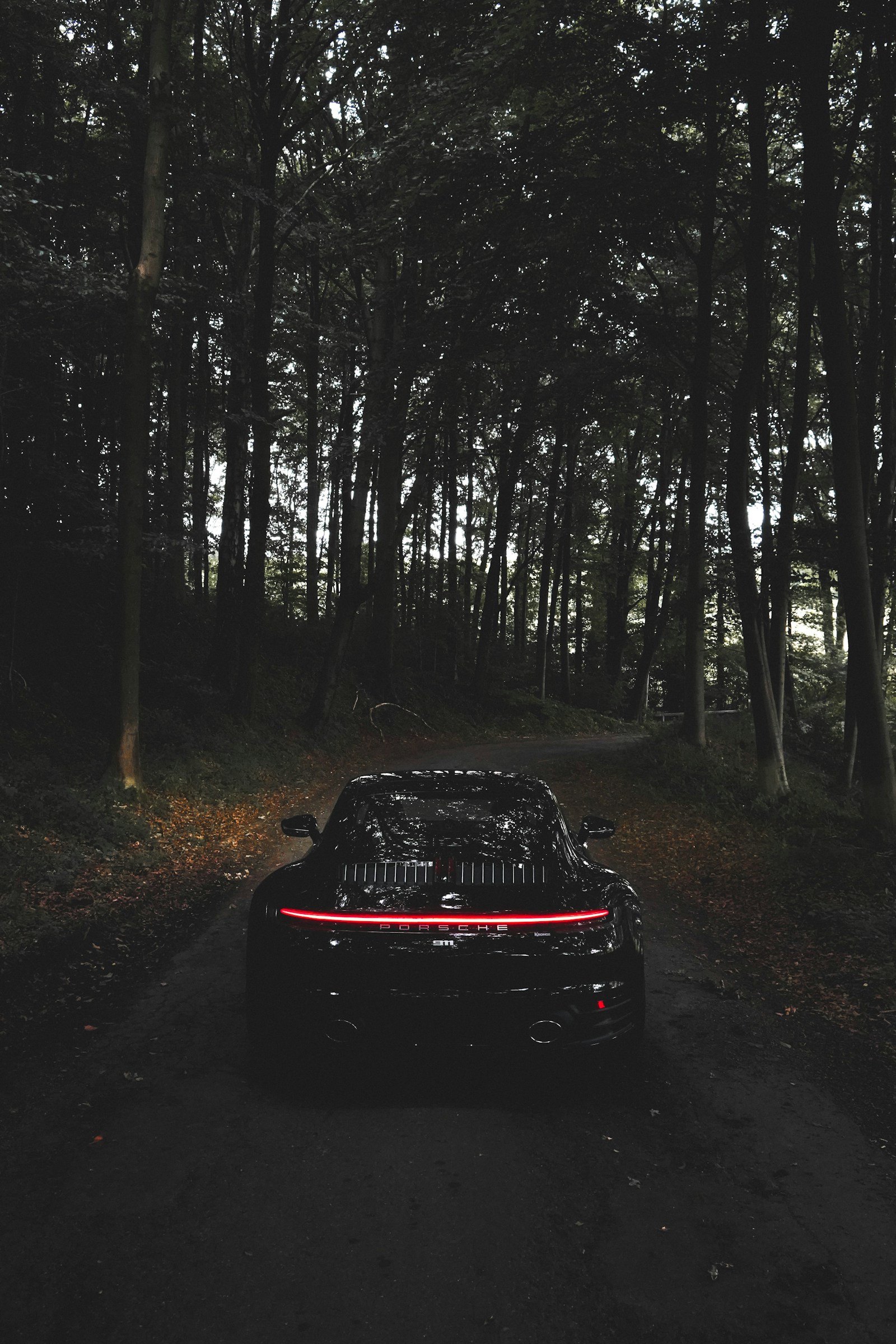
Almost every project that arrives at OdaFab starts the same way: an owner with an idea, a car with a history, and a gap between the two. The work, more than anything else, is closing that gap honestly.
Why a project matters. A Porsche is one of the few objects in modern life that rewards long-term attention. A car you commission, restore, or build yourself becomes an instrument you actually understand — not a product you bought. Every panel gap, every intake note, every clutch pickup point is a decision you made. That is rare, and it is worth the inconvenience of getting there.
Where most projects go wrong. They go wrong in three places: scope, sequencing, and silence.
Scope. Owners try to do everything at once — engine, body, paint, interior, electronics. The right move is usually to split a project into chapters that can be lived with between. A 911 you can drive between phases is a 911 that holds your interest.
Sequencing. The order of operations matters more than the operations themselves. Mechanical first. Body second. Paint third. Interior last. Skipping the order to chase a finished look is the most expensive mistake an owner can make.
Silence. The owner who disappears for six months and reappears with new opinions costs the project more than the owner who sends a short message every Friday. A good builder wants to hear from you.
Where to start. Pick the car. Then pick a builder you can speak to plainly. Then write down — on one page — what the car needs to be when it’s finished. Driver. Show car. Track car. Sunday car. The page is the project.
If you have a 911 (or 356, 944, or 928 for that matter) and a half-formed idea, send a note. The first conversation costs nothing.
— Mariss