How to buy your first 911
A short, generation-by-generation guide for the buyer who has decided they want a 911 — but not yet which one.
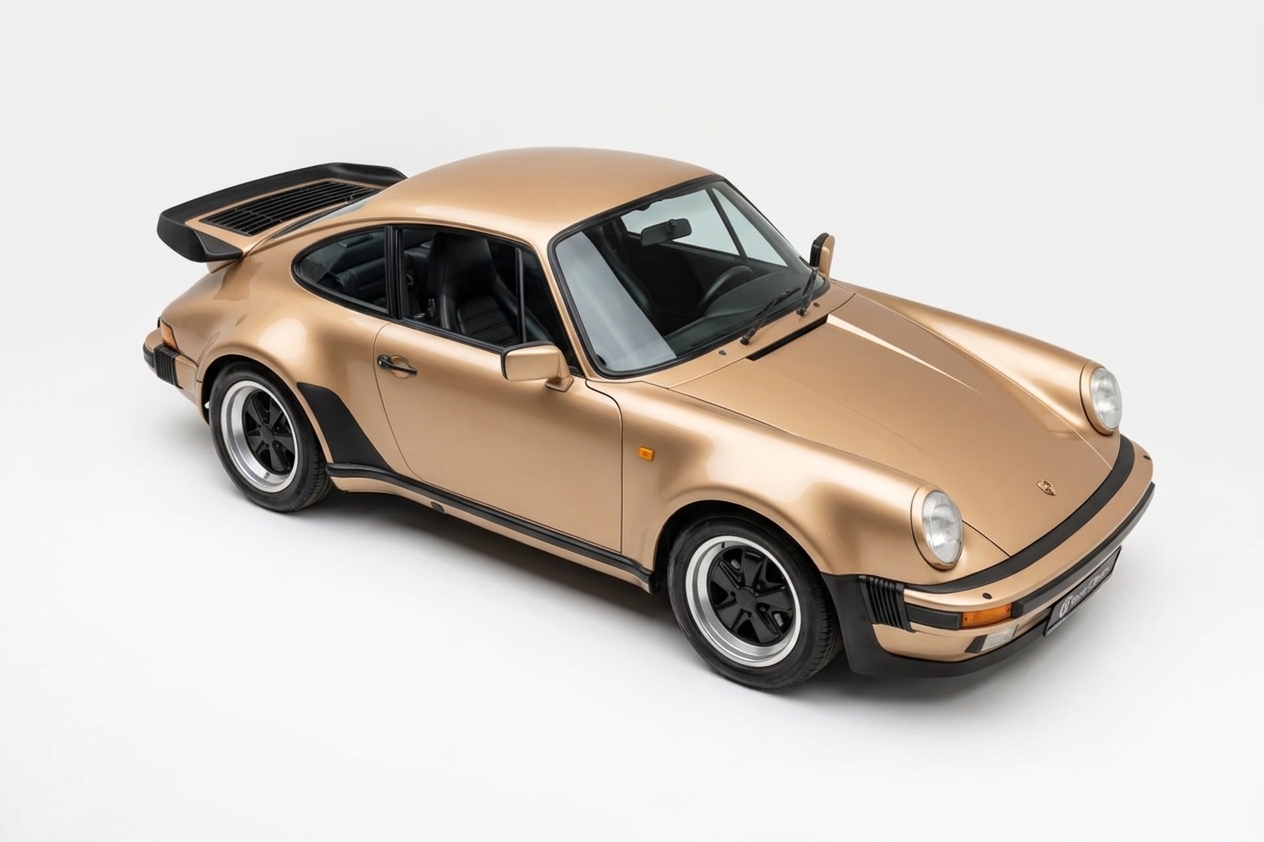
There is no single “best” 911. There is the 911 that fits your road, your budget, your tolerance for inconvenience, and the relationship you want with the car. This guide is for the first-time buyer who has decided on a Porsche and is now deciding which Porsche.
The F-series and G-series (1965–1989). Air-cooled, mechanical, and the closest you can get to a 911 in its original form. Slow by modern standards but rewarding in ways modern cars cannot be. Ownership is hands-on — these cars want attention. Best for buyers who enjoy maintenance as much as driving. Watch for: rust, hack repairs, replaced engines without documentation.
964 (1989–1994). The first modern 911. Coil springs, power steering, ABS — but still air-cooled. My personal car. Excellent everyday classic, with running costs that punish neglect. Watch for: oil leaks (almost universal — quality of repair is what matters), dual-mass flywheel wear, body restoration shortcuts.
993 (1994–1998). The last air-cooled 911 and the most refined. Prices reflect that. Strong everyday usability and a soundtrack worth the premium. Watch for: secondary air injection issues, chain tensioner history, originality.
996 (1997–2005). The most affordable entry to 911 ownership and the most misunderstood. Water-cooled, modern, fast. Yes, the IMS bearing question is real — but a properly inspected and updated 996 is one of the great value propositions in the Porsche world. Watch for: IMS bearing history, RMS leaks, paint condition.
997 (2004–2012). Where the modern 911 finds its stride. Mk2 cars (2009+) avoid most of the early bearing issues entirely and are arguably the sweet spot of the modern range. Watch for: bore scoring on Mk1 cars, optional spec — the right options matter.
991 and 992 (2011–present). Modern Porsches. Fast, refined, less hands-on. The buying conversation here shifts from mechanical risk to specification: the right engine, the right gearbox, the right options. Watch for: aftermarket modifications, accident history, options that don’t match the price.
One last thing. Whichever generation you choose, buy the best car you can find before you buy the cheapest car you can afford to fix. The cheapest 911 is almost always the most expensive one. A pre-purchase inspection by an independent specialist is the best money you’ll spend on the car.
If you’d like a second opinion before you buy — or you want a 911 sourced for you — that’s exactly what consultation and sourcing exist for. Write to me.
— Mariss